
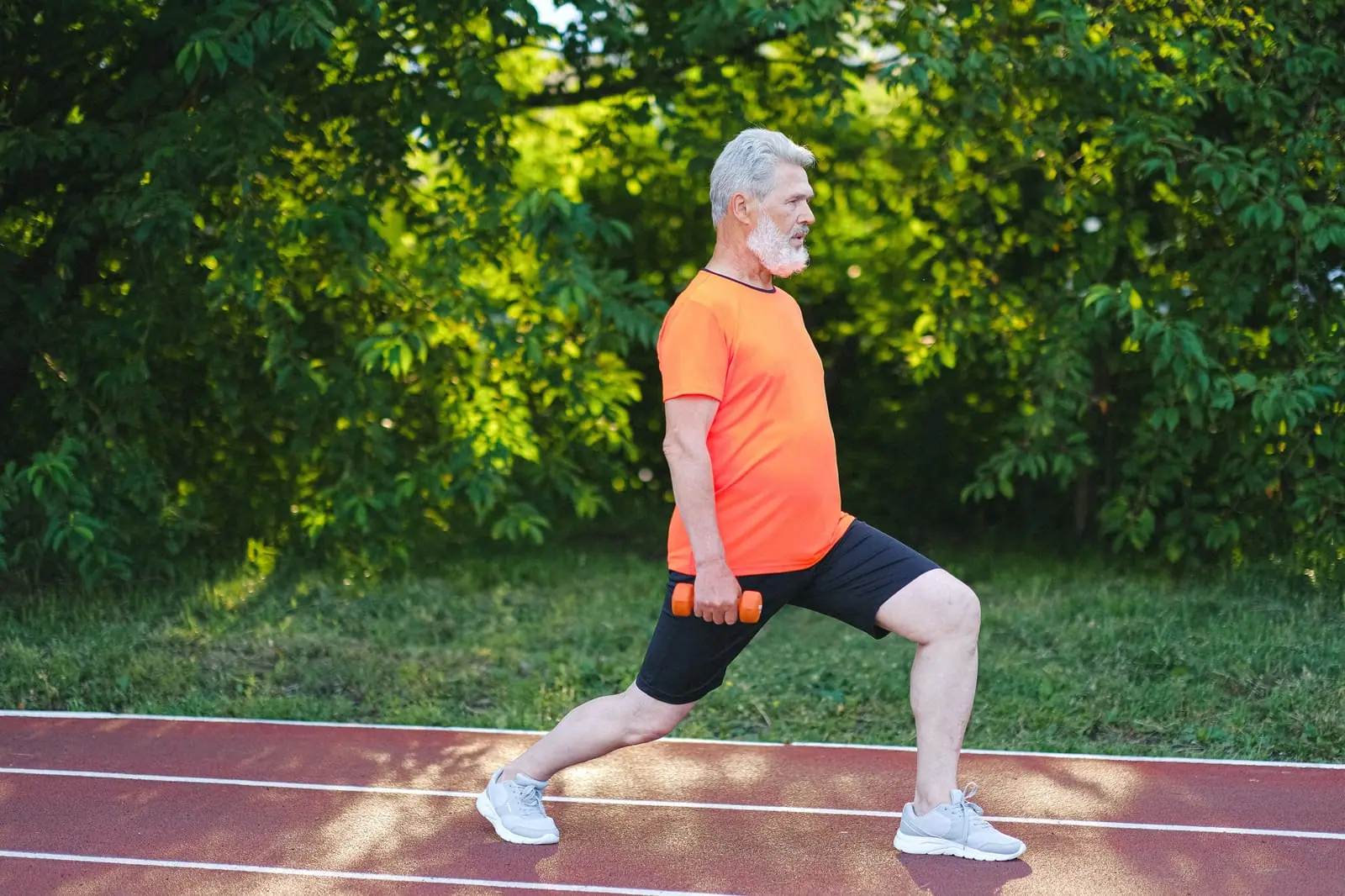
It's never too late to get stronger. Strength and balance training can help older adults stay independent, move with more confidence and keep doing the things they enjoy. You don't need a gym or any experience to start.
What the guidelines recommend
NHS guidance says adults aged 65 and over should aim to:
- be physically active every day, even if it's just light activity
- do activities that improve strength, balance and flexibility on at least 2 days a week
- do at least 150 minutes of moderate intensity activity a week, or 75 minutes of vigorous activity if they are already active
- reduce time spent sitting or lying down, and break up long periods of not moving
The World Health Organization links regular physical activity in adults and older adults with a lower risk of falls and with better mental health, cognitive health and sleep.
Why strength and balance matter
Everyday tasks such as climbing stairs, getting up from a chair, carrying shopping or playing with grandchildren all depend on strength and balance. The NHS notes that if you've fallen or are worried about falling, exercises that improve strength, balance and flexibility can help you feel stronger and more confident on your feet.
How to start safely
- Check with your doctor first if you have a heart or lung condition, joint replacement, recent surgery, dizziness or any condition you're unsure about.
- Start with simple movements, such as sit-to-stands from a chair, wall press-ups and supported heel raises, and focus on control.
- Build up gradually: add a few repetitions or a little weight only when the current level feels comfortable.
- Keep something stable nearby for balance work, and stop if you feel dizzy, short of breath or have chest pain.
- Be consistent: two or three short sessions a week, done regularly, beat one hard session now and then.
How online coaching helps
Many older adults train at home, so a plan written around the space and equipment you have makes a big difference. With online coaching, every session is explained clearly, weekly check-ins track how you're feeling, and the plan changes as you get stronger. Fit Forge coaches beginners and older adults across India, Australia, Canada, New Zealand and beyond.
Sources
- Physical activity guidelines for older adults (opens in a new tab) · NHS
- Physical activity (fact sheet) (opens in a new tab) · World Health Organization
- WHO guidelines on physical activity and sedentary behaviour (2020) (opens in a new tab) · World Health Organization
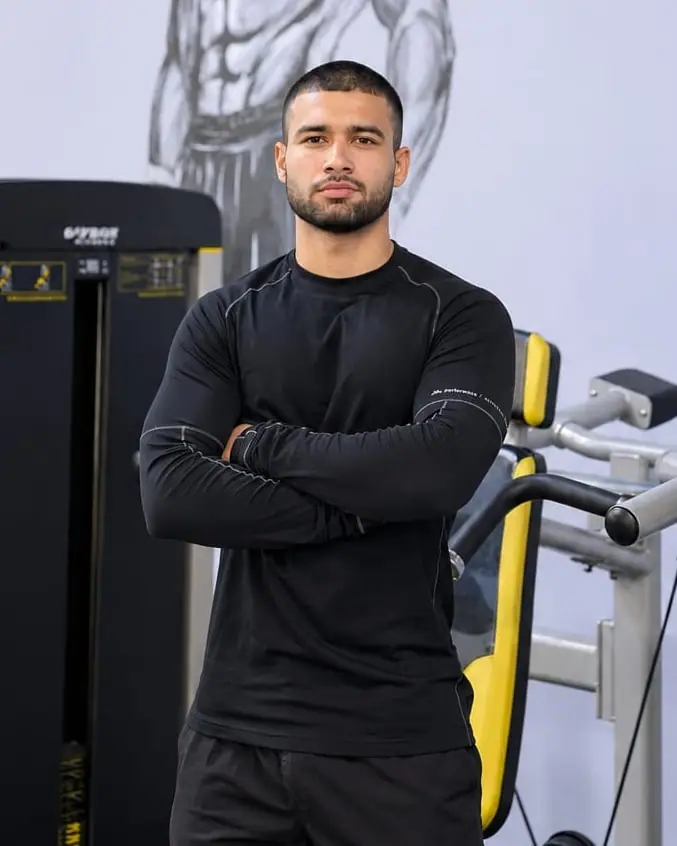
Written by Malpreet Ghuman
Founder & Head Coach, Fit Forge Wellness Club. About Malpreet
Review by a qualified health professional pending. · Last reviewed 26 November 2026