
Back & spine rehab-focused coaching
Back & Spine Rehab-Focused Exercise Coaching
Back and spine rehab-focused coaching is a personalised, online programme of lower back strengthening exercises, mobility work and gradual return to lifting for people living with back pain or coming back from a back injury. It starts with health screening and a consultation, progresses week by week, and works alongside your doctor or physiotherapist. It is exercise coaching, not physiotherapy or medical treatment.
Understanding back problems
Why staying active and getting stronger matters
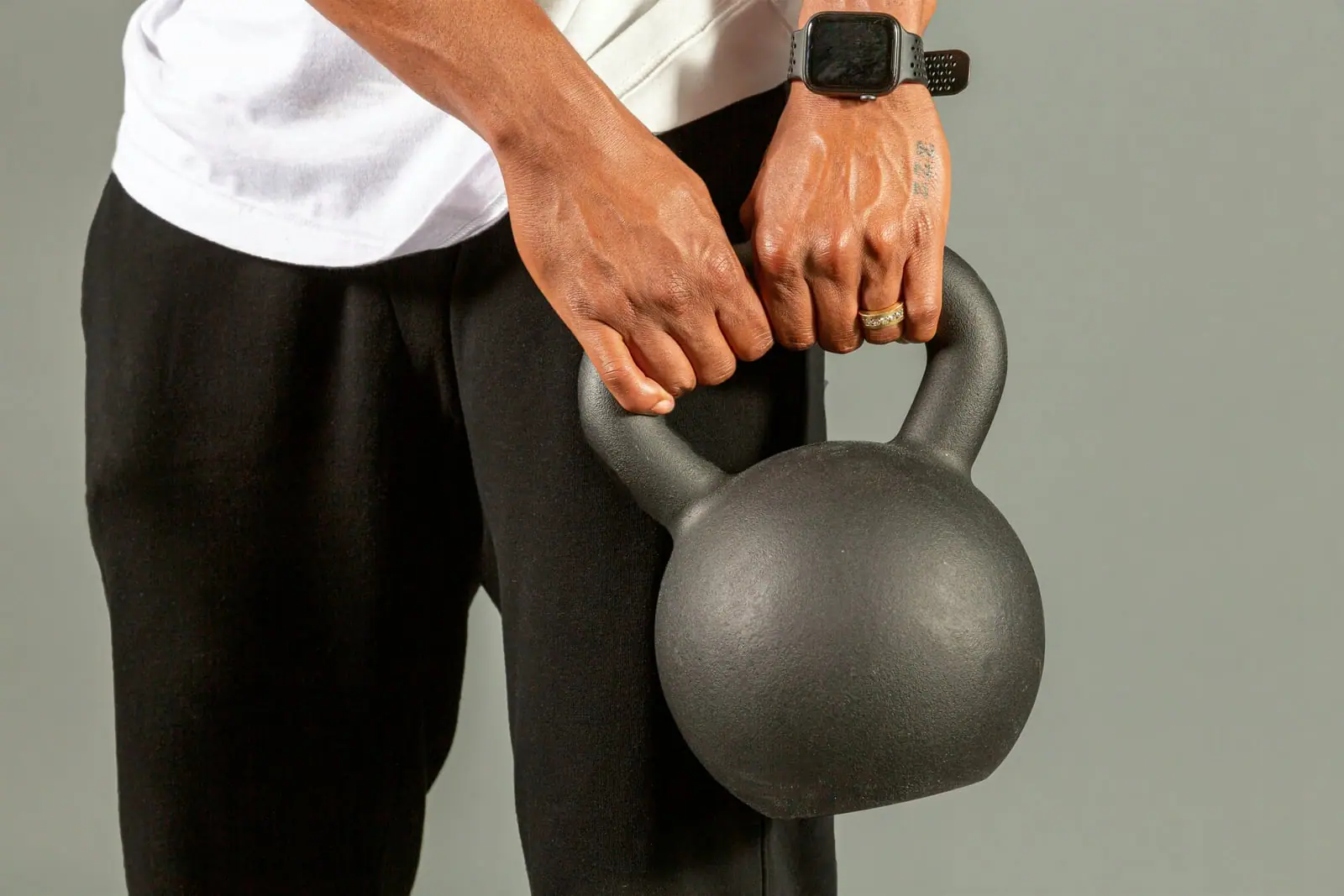
Lower back problems are very common, and they often affect confidence as much as movement: bending, lifting, sitting for long periods or getting back into the gym can start to feel risky.
NHS advice for back pain encourages staying as active as possible. Clinical guidelines from NICE and the World Health Organization include structured exercise programmes as part of managing low back pain, alongside care from health professionals.
Some back symptoms need to be checked by a doctor before you exercise, and a few need urgent help. Coaching starts with screening for exactly that reason, and Malpreet works within any guidance from your doctor or physiotherapist.
Sources are listed at the end of this page. Jump to sources
Who it’s for
This coaching suits people who are:
- Living with ongoing lower back pain or stiffness that limits training or daily life
- Recovering from a back injury, or after back surgery once cleared to exercise
- Nervous about bending and lifting and wanting to rebuild confidence
- Lifters and athletes working back towards heavier training
- Desk-based workers who want a stronger, more resilient back
How it works
From screening to steady progress
Step 1: Screening
A pre-exercise health declaration and consent form, so nobody starts training until it’s safe to.
Step 2: Assessment
At your free consultation you talk through your back history, surgeries, current discomfort and goals.
Step 3: Your programme
A personalised strength and mobility plan built around your history, equipment and schedule.
Step 4: Weekly check-ins
You report how sessions felt, any new pain and what’s improving, and your plan is adjusted.
Step 5: Progression
Load and difficulty increase step by step, from control to strength, at a pace your body tolerates.
What the work involves
Four types of training in your programme
Strength
Progressive strengthening of the hips, legs and back, building towards the bending and lifting your life or sport needs.
Mobility
Comfortable movement through the hips and spine, so sitting, bending and turning feel easier to manage.
Core & control
Trunk strength and control in different positions, practised in ways that carry over to real-life lifting and movement.
Movement education
Lifting technique, pacing, and how to adjust training on flare-up days, so you keep moving rather than stopping completely.
Safety and screening
Every client completes a health declaration and consent form before starting, and may be asked for written clearance from a doctor. Each weekly check-in asks about new pain or injury, so problems are picked up early.
Coaching is exercise and lifestyle guidance, not medical care. If you have an injury or health condition, get clearance from a qualified health professional before starting. Read the health disclaimer.
Our full safety-first process
Coached by Malpreet Ghuman
Knee and lower-back rehab-focused coaching is Malpreet’s main focus. His own CrossFit and Strongman background means he understands heavy lifting, and how to build back towards it sensibly.
More about MalpreetFAQ
Back coaching questions
Also see knee rehab-focused coaching or all rehab-focused coaching.
Do I need a gym or special equipment?
Is rehab-focused coaching the same as physiotherapy?
Do I need clearance from a doctor or physiotherapist?
What happens if my pain gets worse while training?
Should I rest or keep moving with back pain?
Can I get back to deadlifts and heavy lifting?
Do you coach people with sciatica or disc problems?
Sources
- Low back pain and sciatica in over 16s: assessment and management (NG59)NICE
- WHO guideline for non-surgical management of chronic primary low back pain in adults (2023)World Health Organization
- Back painNHS
Written by Fit Forge Wellness Club · Last reviewed 25 November 2026
Start with a free back consultation
Tell Malpreet about your back history and what you want to get back to. He’ll explain how coaching would work for you, or suggest seeing a health professional first.